I built my own house. Not with a crew. Not with a big budget.
Just me, some contractors who actually listened, and a lot of late-night research.
You want a home that doesn’t wreck the planet. But you’re stuck on where to start. Is solar worth it?
What insulation actually works? Does “green” just mean expensive?
It’s not. Sustainable home building is about choices (not) perfection. It’s choosing windows that cut your heating bill in half.
It’s picking materials that don’t off-gas into your kid’s bedroom. It’s skipping the flashy gimmicks and focusing on what stays fast for thirty years.
And yes (it) saves money. Your utility bills drop. Your air feels cleaner.
Your home lasts longer.
This isn’t theory. I made mistakes so you don’t have to. I tested products.
I read specs. I argued with inspectors.
By the end, you’ll know exactly which decisions matter most (and) which ones are noise.
That starts with Sustainable Home Building Appchousehold. You’ll walk away with a real plan. Not buzzwords.
Not fluff. Just clear steps you can use tomorrow.
Why Your Home Should Stop Wasting Energy
I built a sustainable home. Not for Instagram. For my electric bill (and) my lungs.
You want lower bills? Better insulation cuts heating and cooling costs by 30% or more. I swapped old windows for triple-pane ones.
My AC ran half as much last summer. (And no, I didn’t turn the thermostat up to “suffering.”)
Toxins in paint, flooring, and insulation make people sick. I used low-VOC paint. No headaches.
No weird chemical smell for weeks. You notice air quality when it’s not stale.
Water waste? A rainwater tank feeds my garden. Less on the water bill.
Less strain on the city system. Simple.
Resale value? Buyers pay more for homes that don’t guzzle energy. Especially when gas prices spike.
It’s not speculation (it’s) math.
Sustainable Home Building Appchousehold helped me pick materials that actually perform (not) just sound green.
You think “sustainable” means sacrifice? Try sleeping in a quiet, even-temperature room with clean air. That’s not sacrifice.
That’s basic.
Your next home shouldn’t cost more to run than your car. It shouldn’t make you cough. It shouldn’t lose value while the grid gets unstable.
Start small. Swap one appliance. Test one insulation type.
Then do the next.
Sun, Air, and Smaller Footprints
I design homes that don’t fight the weather.
They work with it.
Passive solar design means putting south-facing windows where winter sun hits deep into your living room. (Yes, even in cloudy places. It adds up.)
In summer, a simple overhang blocks that same sun before it cooks your couch.
Natural ventilation? Open two windows (one) low, one high. And let hot air rise out like it’s late for an appointment.
No AC needed on most spring and fall days. You’ve felt this in an old farmhouse. That’s not magic.
That’s physics.
Insulation isn’t just “stuff in the walls.”
It’s your first line of defense against paying for heat you lose. Or cool you leak.
Skimp here and you’re heating the sky.
Compact footprints mean less lumber, less concrete, less energy to heat or cool. A 1,200-square-foot home doesn’t mean you live small. It means you waste less.
Orient your house right on the lot (south) is your friend, west is your enemy (hello, afternoon oven).
Why fight the sun when you can ask it nicely to help?
This is how real people build smarter. Not fancier. Not with gadgets.
With geometry and common sense. The Sustainable Home Building Appchousehold guide walks through all this without jargon or fluff. You’ll know where to put the window before you call the contractor.
And yes. You’ll wonder why every builder doesn’t do this already.
Real Materials, Not Magic

I pick salvaged wood because it’s already here. No trees cut. No kilns fired.
Just old beams turned into new floors.
Reclaimed brick? Same thing. It’s been holding up buildings for a hundred years.
Why not another hundred?
Bamboo grows fast. Cork regrows after harvest. Straw bales?
Grown in a season. They’re not “greenwashing.” They’re just faster to replace than oak or concrete.
Local sourcing isn’t about virtue signaling. It’s about skipping the diesel truck that drove 800 miles to deliver drywall. If your lumber yard is 12 miles away, use it.
Low-VOC paints don’t smell like hospital corridors. You breathe easier. Your kid doesn’t get headaches from the finish on the nursery wall.
Durable means you won’t rip it out in seven years. I chose metal roofing over asphalt shingles (yes,) it cost more upfront. But I’m not replacing it in 2030.
Is a garage shed worth it appchousehold?
That depends on how long you plan to keep it (and) what it’s made of.
Sustainable Home Building Appchousehold isn’t about perfection. It’s about picking one thing you can do right this week. I’m not sure which material is best for your soil or climate.
Ask your builder. Then ask them again.
Some things still confuse me.
And that’s okay.
Cut Your Bills, Not Your Comfort
I swapped my old fridge for an ENERGY STAR model last year. It uses 15% less power. That’s $40 less on my electric bill every year.
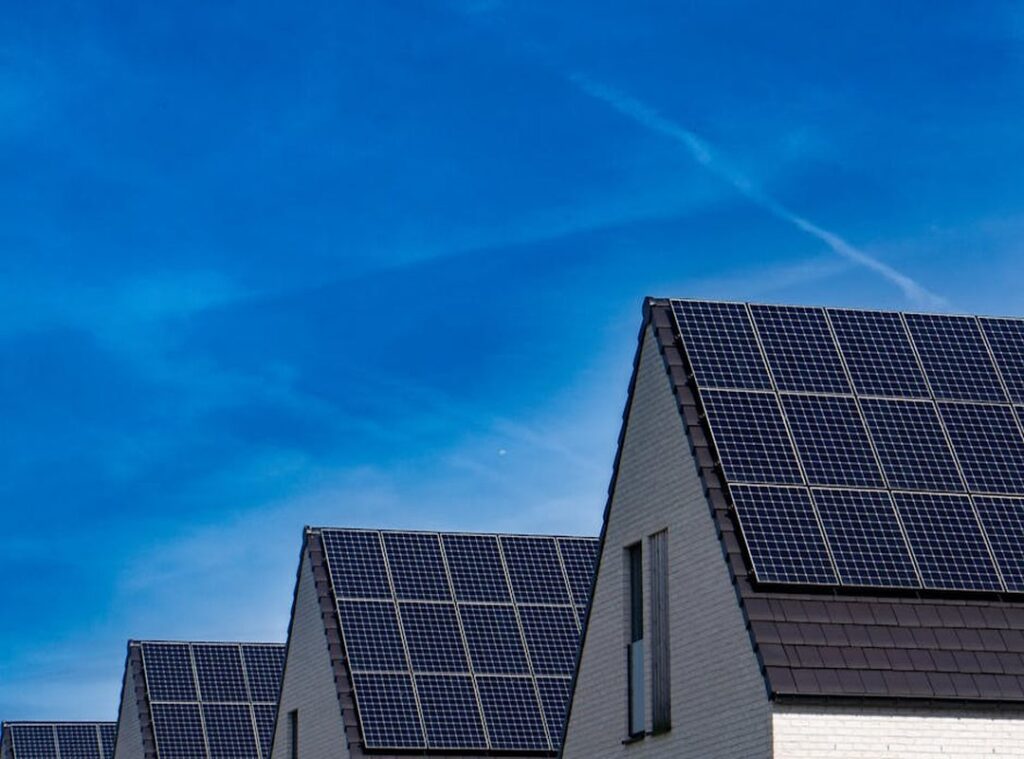
Solar panels? They paid for themselves in seven years. I get credits when I send excess power back to the grid.
(Yes, your utility company really does that.)
LED bulbs cost more up front. But they last ten times longer and use 75% less energy. I changed every bulb in the house (and) saw the difference in one bill.
Low-flow showerheads cut water use by half. Same pressure. Same warmth.
No one noticed the change except my water bill.
Rainwater harvesting sounds fancy. It’s just a barrel under a downspout. I use it for my garden.
No hose. No metered water.
Smart thermostats learn when you’re home. They turn down heat when you sleep or leave. I stopped wasting energy heating an empty house.
Water-saving toilets flush clean with 1.28 gallons. Not 3.5. That adds up fast.
Especially with kids.
This isn’t about sacrifice. It’s about paying less so you keep more. Sustainable Home Building Appchousehold means building smart from day one.
Not fixing mistakes later.
If you skip checks during construction, you’ll pay for them later.
Are building checks important appchousehold
Your Home Can Change Everything
I built mine. Not perfect. Not overnight.
But it happened.
You want lower bills. You want cleaner air. You want to stop feeling guilty every time the thermostat clicks on.
That’s why Sustainable Home Building Appchousehold exists (not) as a buzzword, but as a tool you actually use.
It’s not about going off-grid or selling your couch to buy bamboo flooring. It’s about choosing one thing today that makes tomorrow easier.
Research a local builder. Look up insulation types. Ask a neighbor what worked for them.
Don’t wait for “someday.” Someday is when your furnace dies in February and your electric bill spikes 40%.
Talk to someone who’s done it before. Not a salesperson. A real green builder who answers your dumb questions without eye-rolling.
You already know what feels wrong about your current home. Fix one piece of it. Then another.
Start now. Not next spring. Not after the holidays.
Today.
Open Sustainable Home Building Appchousehold. Pick one step. Do it.
Your planet breathes easier. Your wallet stays fuller. Your home gets quieter.
Go.