I hate clutter.
You do too.
That pile of garden tools by the back door? The winter coats stuffed in the garage corner? The bike parts you swear you’ll assemble “next weekend”?
It’s not just messy. It’s exhausting.
Most people don’t know where to start with a garage shed. They get lost in size charts, material specs, and delivery timelines (which are always wrong).
You need space that works. Not something that sits there looking like a mistake.
A good garage shed isn’t about square footage. It’s about what fits your life.
Do you park a car and store lawn gear? Do you need insulation for tool storage in winter? Is your yard sloped?
(Mine is. It mattered.)
This isn’t theory. I’ve installed three sheds. Watched two rot.
Fixed one leak myself.
You’ll get clear answers. Not jargon, not fluff. Just what matters: durability, fit, cost, and how long it actually takes to set up.
No guessing. No regrets.
You’ll walk away knowing exactly which shed solves your problem. Not some generic checklist.
That’s what the Garage Shed Guide Appchousehold is for.
By the end, you’ll pick with confidence. Not hope.
Garage Shed? Yes. Right Now.
I’ve tripped over the same rake three times this month.
You know that feeling when you open the garage and just… stop?
My lawnmower sat in the rain last spring. The bike chain rusted. Seasonal lights got tangled in a box labeled “Xmas 2021?” (it wasn’t).
A garage shed fixes that. Not magic. Just space.
Real, dry, lockable space.
I moved my tools, bikes, and leaf blower into one. Suddenly my car fits in the garage again. No more parking on the street because the garage is a black hole of stuff.
It’s not about hoarding more. It’s about knowing where your shovel is at 7 a.m. on a Saturday. About keeping your kid’s scooter off the damp floor.
About not replacing a $200 grill cover every year.
Gardening gear. Workshop scraps. Lawn chairs.
Snow shovels. All go in the shed. Not the garage.
The Garage Shed Guide Appchousehold helped me pick the right size and anchor it right. No guesswork. No regrets.
Just less stress. More room. Fewer trips to Home Depot for replacement parts.
Wood, Metal, or Plastic? Pick One.
I built a wood shed first. It looked great until year three (peeling) paint, warped boards, and that damp smell in summer. (Yeah, I forgot to reseal it.)
Wood gives you curb appeal and lets you stain or paint it however you want. But if you hate maintenance, skip it.
Metal sheds last longer. They shrug off hail, won’t rot, and won’t catch fire. (Unless you’re storing gasoline and welding inside.
Don’t do that.)
But rust shows up fast near salt air or wet soil. And good luck matching it to your house’s siding.
Plastic. Actually resin. Goes up in a weekend.
No painting. No rust. Just wipe it down.
(Mine still looks okay after five years, though the white is turning dull yellow.)
It won’t hold a riding mower well. And forget hanging heavy tools on the walls.
So ask yourself: What’s your climate like? Humid? Coastal?
Freezing? How long do you plan to keep it? What’s your budget.
Not just upfront, but over ten years?
Storing garden tools? Any material works. Storing paperwork or electronics?
Avoid wood. It breathes moisture. Go plastic or sealed metal.
You want something that fits your life. Not just your yard.
The Garage Shed Guide Appchousehold helps weigh these trade-offs without fluff.
Shed Size and Placement: Stop Guessing
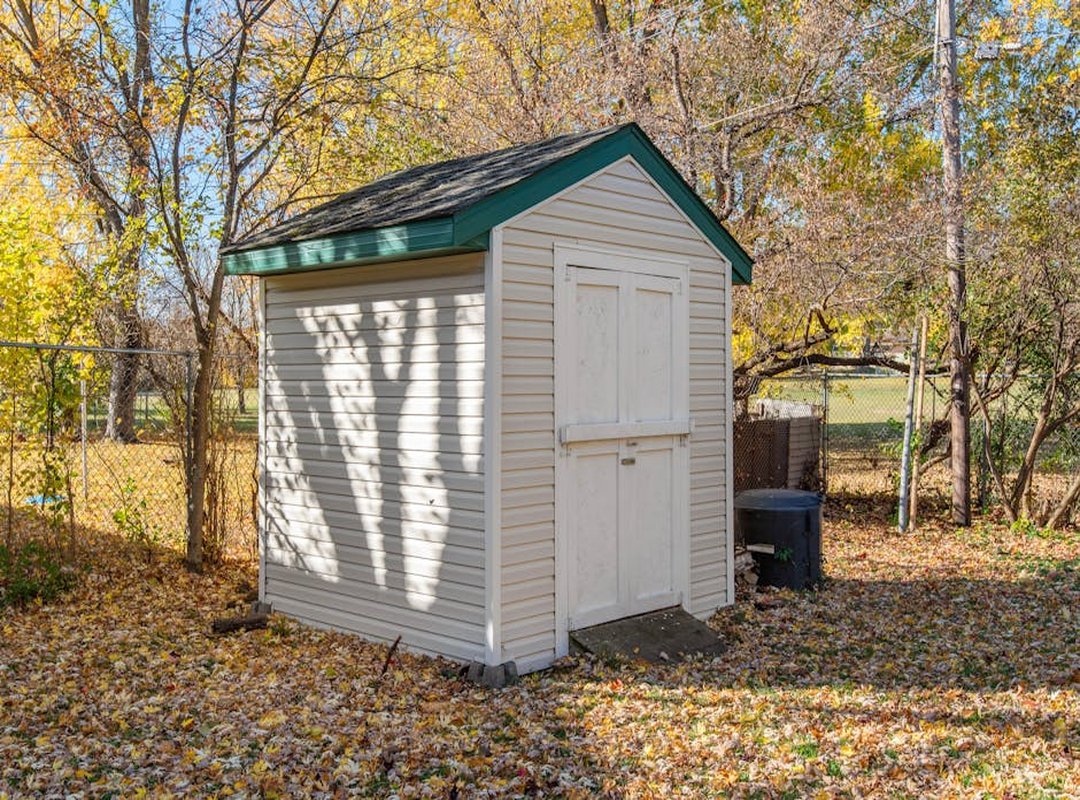
I measure everything before I buy a shed.
You should too.
List every item you plan to store. Then measure each one (not) just length and width, but height. That lawnmower with the raised handle?
It counts.
Add at least 18 inches of clearance around major items. You need room to open doors, pull out tools, and not bang your elbow. (Yes, you’ll forget this until you’re wedged between the rake and the wheelbarrow.)
Future storage matters. You will buy more stuff. Or you’ll want to use part of the shed as a workshop.
So add 20% extra floor space (no) exceptions.
Placement isn’t just “where it fits.”
Check drainage first. If water pools near your house foundation, don’t put the shed there. Sunlight matters too.
Full afternoon sun heats the interior like an oven. Shade helps (but) too much invites mold.
Need electricity or water? Map utility lines before you dig. And check zoning rules before you order.
Cities limit height. HOAs ban certain colors or roof styles. Don’t assume.
Use stakes or spray paint to mark the footprint. Stand back. Walk around it.
Ask yourself: Does this block the patio door? The garden path? Your neighbor’s view?
The Building Checks Appchousehold pulls local rules into one place. No scrolling through PDFs. No calling city hall three times.
It’s faster than guessing. And way less embarrassing.
What Actually Works in a Garage Shed
I built mine last spring. Wood flooring rotted in six months. Concrete held up fine.
Plastic base? I tried it. It warped in summer heat.
(Not kidding.)
Ventilation matters more than you think. My first shed had no vents. Mold grew behind the lawnmower.
Windows help. So do roof vents. Just make sure air moves both ways.
Single doors work for bikes and tools. Double doors open wide for furniture or a kayak. Roll-up doors save space.
But they leak cold air in winter.
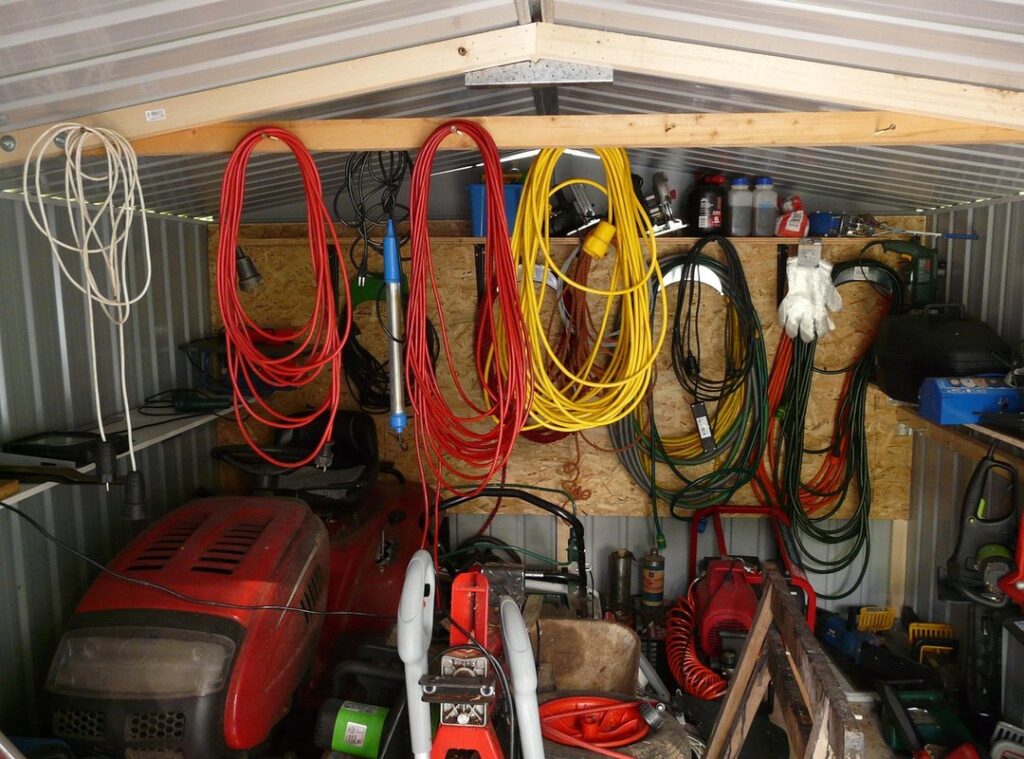
Shelving units hold boxes off the floor. Pegboards keep wrenches visible. Hooks on walls stop clutter on the ground.
A ramp? Worth it if you wheel heavy stuff in.
Locks matter. Flimsy padlocks snap with bolt cutters. Reinforced doors and deadbolts kept my gear safe during a break-in next door.
You want real advice. Not theory. That’s why I use the Garage Shed Guide Appchousehold.
It’s got specs, not sales talk. Check the Home Building Guide Appchousehold for what actually holds up.
Your Shed Starts Today
I’ve walked through this before. You’re tired of tripping over tools. Tired of shoving boxes into corners.
Tired of pretending your garage is “functional” when it’s just a holding pen for chaos.
That clutter isn’t random. It’s a symptom. And the fix isn’t more willpower (it’s) a shed that actually fits your stuff, your space, your life.
You already know what to do. Assess what you’re storing (not) what you wish you’d store. Pick wood, metal, or plastic based on weather and budget (not) trends.
Measure twice. Not once. Especially where the door swings and the roof overhangs.
Skip fancy add-ons unless you’ll use them weekly.
This isn’t about perfection. It’s about stopping the bleed. One smart decision now saves you from regret later.
From rust. From leaks. From that sinking feeling when your third $200 shed collapses in year two.
Garage Shed Guide Appchousehold gave you the checklist. Not fluff. Not theory.
Just steps that work.
So. What’s stopping you? Your space is still there.
Your junk is still piling up. Grab a tape measure. Stand in your yard.
Take three minutes and sketch the footprint.
Then go look at options. Not tomorrow. Not after “one more thing.”
Today.
While the idea is still sharp.
You’ve got the knowledge.
Now go build something that lasts.