
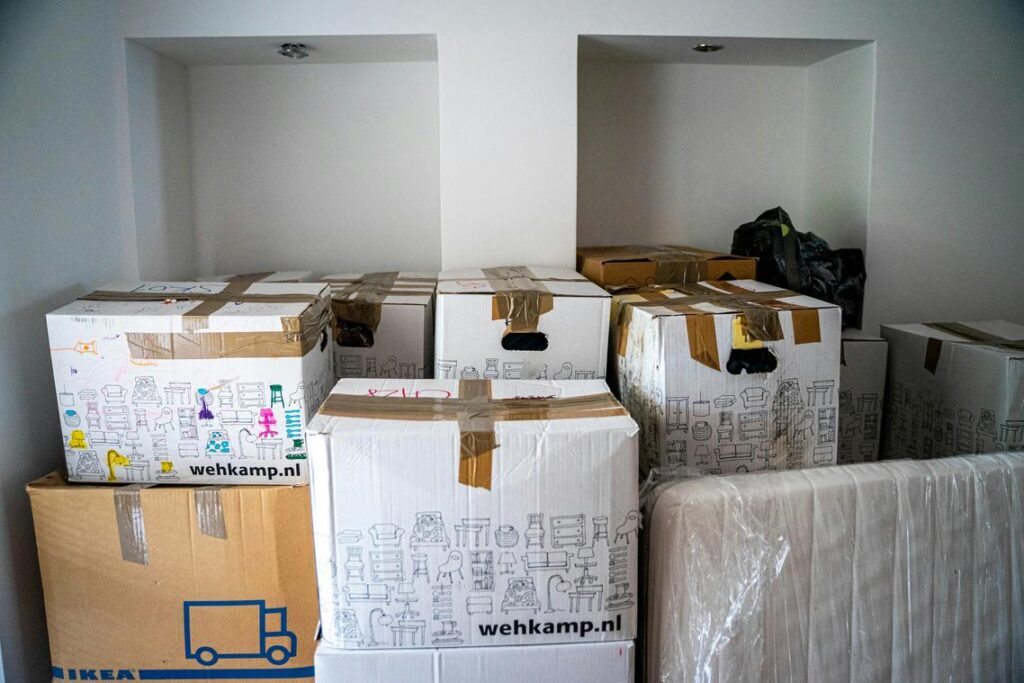
I’ve helped hundreds of people move without losing their minds in the process.
You’re here because you need to figure out how should i pack boxes for moving appcestate without breaking half your stuff or spending three weeks unpacking on the other end.
Here’s the truth: most people pack wrong. They throw things in boxes randomly, use the wrong materials, and end up with broken dishes and missing items they won’t find for months.
I’m going to show you the exact system professionals use to pack efficiently and safely. The same techniques that keep your valuables intact and make unpacking actually manageable.
This isn’t about buying expensive supplies or spending twice as long. It’s about doing it right the first time.
You’ll learn which items to pack together, how to protect fragile belongings, and the box-by-box strategy that prevents chaos when you arrive at your new place.
No guesswork. Just a clear system that works.
The Foundation: Gathering the Right Packing Supplies
Look, I’ve seen people try to save $50 on boxes only to watch their grandmother’s china shatter in the back of a moving truck.
It happens more than you think.
When you’re figuring out how should i pack boxes for moving appcestate, the supplies you choose matter. Not because I’m trying to sell you expensive gear. But because cheap materials fail when you need them most.
I learned this the hard way back in 2017 when I used old grocery store boxes for a cross-state move. Three boxes collapsed before we even loaded the truck.
What You Actually Need
Start with new boxes in three sizes. Small ones for books and tools (anything heavy). Medium for kitchen stuff. Large for pillows and clothes.
The weight distribution matters here. Put 40 pounds in a large box and the bottom gives out.
Get proper packing tape. The 2-3 inch wide plastic kind. Not duct tape. Not masking tape. Those don’t hold under pressure or temperature changes during transport.
For cushioning, you’ve got options. Packing paper works great for dishes. Bubble wrap for anything fragile. But here’s something most people miss: your towels and blankets are already cushioning materials. Use them.
Grab two permanent markers in different colors. One for room labels, one for priority items. Makes unpacking so much easier.
You’ll also want a box cutter, scissors, and a tape dispenser. After taping your twentieth box by hand, you’ll understand why.
This isn’t about buying everything at the moving store. It’s about having what you need when a box needs to hold 30 pounds for six hours on a highway.
The Core Principles: Universal Rules for Perfect Packing
Most people pack the wrong way.
They grab whatever’s nearby and throw it in a box. Then they wonder why half their stuff arrives broken or why unpacking takes weeks.
I’m going to walk you through four rules that change everything.
Rule #1: Pack Room by Room
This one sounds obvious but most people ignore it.
When you pack room by room, you create a system. Each box has a clear destination. You know exactly where it goes when you arrive.
Mix your kitchen utensils with bathroom toiletries? You’ll spend hours digging through boxes trying to find your coffee maker on day one. (Trust me, you want that coffee maker accessible.)
Label each box with the room name. Simple but it works.
Rule #2: Declutter Before You Pack
Here’s a question. Why would you pay to move stuff you don’t even want?
Before you pack a single box, sort your belongings. Create three piles: donate, sell, discard.
That sweater you haven’t worn in three years? Gone. The duplicate kitchen gadgets collecting dust? Donate them. Broken items you keep meaning to fix? Toss them.
You’ll save money on moving costs and start fresh in your new place.
Rule #3: Master Weight Distribution
Heavy items go on the bottom. Light items on top.
Sounds simple because it is. But I see people violate this rule constantly when figuring out how should i pack boxes for moving appcestate.
Books at the bottom. Pillows on top. Never the reverse.
And here’s the big one: the 40-pound rule. If you can’t lift the box comfortably, it’s too heavy. Split the contents into two boxes instead.
Your back will thank you.
Rule #4: Eliminate Empty Space
Empty space is your enemy.
When items shift during transport, they break. A plate that moves even an inch can crack against the side of a box.
Fill every gap. Use crushed packing paper, towels, or soft fillers to create a snug fit. Nothing should rattle when you shake the box.
Check the appcestate property guide by activepropertycare for more moving tips specific to your area.
These four rules work because they’re based on how physics and logistics actually function. Follow them and your move becomes manageable instead of miserable.
A Room-by-Room Tactical Guide
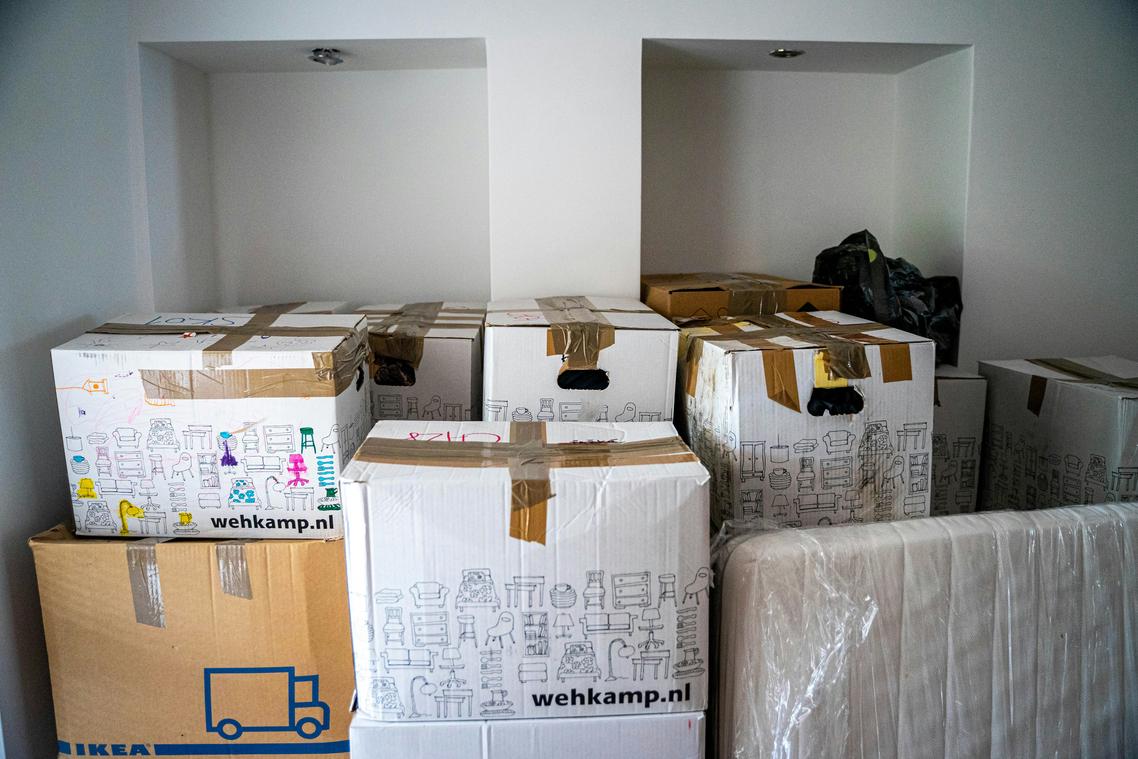
Most packing guides tell you to start with the easy stuff first.
I disagree.
You should start with the kitchen. Yes, it’s the hardest room. But here’s why that matters.
If you can nail the kitchen, everything else feels simple. Plus, you’ll figure out how should i pack boxes for moving appcestate principles that apply everywhere else.
The Kitchen (The Most Complex Room)
Plates & Bowls: Pack them vertically. Like records in a crate.
Put a layer of packing paper between each one. Never lay them flat (even though every instinct tells you to).
Vertical packing actually protects better. The plates support each other instead of crushing down on the one at the bottom.
Glassware: Wrap each glass individually. Stuff paper inside too.
Use cell-divider boxes if you can find them. They’re worth the extra cost.
Pots & Pans: Nest them with paper liners in between. This prevents scratches.
Pack heavy cast iron in smaller boxes. I know it seems backwards, but a small box of cast iron is easier to carry than a large box of pillows that weighs the same.
The Bedroom
Clothing: Wardrobe boxes save you hours of ironing later.
For folded clothes, use your suitcases and duffel bags. They’re going in the truck anyway.
Linens & Pillows: Large boxes work fine here. Or use vacuum-sealed bags to save serious space.
(Your future self will thank you when you’re trying to fit everything in the truck.)
The Living Room & Office
Books: Small boxes only. Trust me on this.
Here’s a trick nobody talks about. Alternate their orientation. Spine-down, then spine-up. This creates a level surface and distributes weight better.
Electronics: Original packaging is best if you kept it.
If not, wrap everything in bubble wrap. Take photos of your cord setups before unplugging anything. Label all cables.
You think you’ll remember which HDMI cord goes where. You won’t.
Pro tip: Check out washing machine lid removal appcestate before moving day if you’re taking appliances with you. Some things need prep work you wouldn’t expect.
The Final Step: A Flawless Labeling & Organization System
You’ve packed everything perfectly.
But if you can’t find what you need when you arrive? You just wasted all that effort.
I’ve seen people spend hours searching through identical brown boxes for their coffee maker on moving day. Not fun.
Here’s what works.
The Anatomy of a Perfect Label
Every box needs three things written on it. Destination room (Master Bedroom). General contents (Sweaters & Jeans). And handling instructions if needed (Fragile or This Side Up).
That’s it. Simple but complete.
Label Multiple Sides
Write on the top and at least two sides of every box. When boxes are stacked in a truck or garage, you need to see what’s inside from any angle.
Trust me on this one.
The Color-Coding Method
Assign each room a color. Kitchen gets red tape. Bedroom gets blue. Living room gets green.
Movers (or your friends helping out) can spot where boxes go without reading a single word. It saves hours on moving day.
The ‘Open First’ Box
Pack one box with everything you need in the first 24 hours. Box cutter. Toiletries. Medications. Phone chargers. Paper towels. Coffee maker. Basic tools.
Mark it OPEN FIRST in big letters on all sides.
When you’re exhausted at 9 PM and need to brush your teeth, you’ll thank yourself.
This is how should i pack boxes for moving appcestate recommends you finish the job. Not with perfect packing. But with a system that actually works when you need it.
Unpack a Better Moving Experience
You now have a system that works.
Packing doesn’t have to be chaos. You’ve learned how to break it down into steps that make sense.
The worst part of moving is opening boxes at your new place and finding broken dishes or crushed belongings. That happens when you rush and throw things together without thinking.
You’ve avoided that problem.
Here’s what you need to remember: Get quality supplies that can handle the weight. Follow the basic rules about box size and weight distribution. Label everything so you know what’s inside and where it goes.
how should i pack boxes for moving appcestate
That’s the question you came here to answer. Now you have your roadmap.
Your next move is simple. Start with one room and work through your system. Pack methodically and you’ll thank yourself later.
This is more than just moving boxes from one place to another. You’re starting fresh somewhere new.
Do it right and you’ll walk into that new space with everything intact and organized. That’s how you begin the next chapter on solid ground.
 Kamil Sowaak is the Founder of