
Homeowners today face a whirlwind of change. Traditional houses are becoming a thing of the past, thanks to rapid advancements in technology in housing. Many feel lost or overwhelmed by what these changes mean for them.
You might wonder, how do these innovations truly affect home values? I get it. It’s confusing.
I’ve spent years tracking housing trends and understanding market dynamics. I know where the real value lies in modern residential innovations. This article aims to cut through the noise.
I’ll explain what’s actually happening in the world of residential living.
You’ll get clear takeaways that help you make informed decisions. Whether you’re a buyer or just curious, this content will serve you well. Let’s dive in and demystify what’s shaping the homes of tomorrow.
You’ll walk away with practical knowledge that empowers your choices in this evolving space.
What Really Defines Innovation in Residential Living?
Innovation in residential living isn’t just about fancy gadgets or sleek designs. It’s about how technology in housing makes life easier, greener, and more connected. Take smart homes, for example.
They’re not just cool; they change how we live. Lights that adjust to your mood or thermostats that save money. Important, right?
And while aesthetics are nice, they aren’t everything.
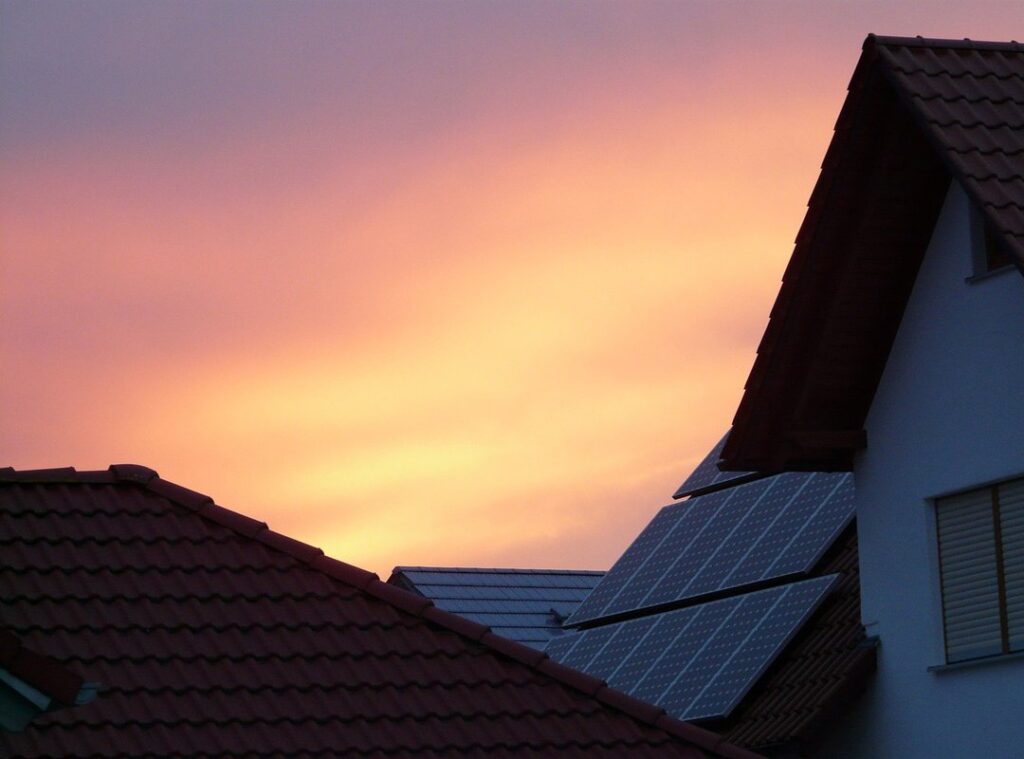
Let’s talk sustainability. It’s huge now. Solar panels and energy-fast appliances aren’t just trends.
They’re necessities. Environmental concerns aren’t going away. They’re shaping how homes are built.
You ever think about how flexible spaces can change everything? Walls that move, rooms that transform. It’s like living in the future, today.
Now, consider community models. Places where people actually know their neighbors. That’s innovation too.
Changing demographics demand these shifts. Families want more than just a place to sleep. They want a community.
Understanding these innovations is key. Whether you’re a homeowner or investor, these changes impact decisions. Why?
Because knowing what’s next helps you stay ahead. So, as technology keeps evolving, remember: real innovation improves quality of life. It’s not just about keeping up.
It’s about living better. Isn’t that what we all want?
Smart Home Tech: Boosting Living with Ease
Smart home technology isn’t just a buzzword; it’s real, tangible change in how we live. These integrated systems automate everything from lighting to security, taking the grunt work out of everyday life. Imagine waking up to a house that adjusts itself to your needs (without you lifting a finger).
That’s not just convenience. It’s living smarter.
I’ve seen firsthand how a simple smart thermostat can shave dollars off your utility bill. Not to mention automated lighting that turns off when you forget to, saving energy and your sanity. And let’s not skip over intelligent security systems.
They offer peace of mind you can’t put a price on. Voice assistants round out the package, putting control at your fingertips. Or should I say, voice tips?
But let’s be real. Tech isn’t all sunshine and rainbows. The setup can be a nightmare if you’re not tech-savvy.
Privacy concerns linger too. Who’s listening when you’re talking to your smart speaker? And compatibility?
Don’t get me started. Yet, these hurdles aren’t insurmountable. A bit of research and a few wise choices can make them manageable.
Look around, and you’ll see these systems creeping into homes everywhere. They contribute to a more connected and fast life. As we inch closer to AI-powered homes and predictive maintenance, it’s clear that rise sustainable housing is the future.
This isn’t just about cool gadgets. It’s about increasing your property value long-term. Who wouldn’t want that?
Building Green: The Future of Design
Sustainable and eco-friendly design is a game-changer. It’s about building and living in a way that cuts down our environmental impact. You know, using energy-fast appliances, solar panels, and advanced insulation.
But let’s be honest, who wouldn’t want lower utility bills and a reduced carbon footprint?
Here’s the kicker: green homes aren’t just about saving the planet. They improve indoor air quality and can even get you those fancy green building certifications. And with the rising demand for these homes, property values are getting a nice bump too.
Who doesn’t like a little extra marketability?
Now, how do we jump on this trend? Simple. Start small with upgrades like rainwater harvesting or go big with major renovations.
Ever heard of ‘net-zero’ homes? They’re all about producing as much energy as they consume. That’s the dream, right?
It’s fascinating how spotting emerging housing patterns influences this shift. Technology in housing is driving the change, making sustainable living more accessible and appealing. So, are you ready to embrace the future of green design?
It’s more than a trend; it’s a smart move for both your wallet and the planet.
Homes That Flex: Living Spaces That Adapt
Flexible spaces in homes are game-changers. They let you transform a room from an office to a guest room in minutes. Thanks to clever architectural designs, one room can do it all.

We’re talking about movable walls and modular furniture that adjust as you need. Who wouldn’t love that kind of versatility?
Remote work has sparked a demand for such spaces. It makes sense. When your kitchen table doubles as an office, you’d better have options.
Multi-generational living also drives this trend. Families want homes that adjust as kids grow or parents age.
Think about the cost advantages. Relocating is expensive. Flexible spaces mean you might not have to move as needs change.
Plus, they cater to diverse family structures and promote “aging-in-place.” We’re seeing more accessible layouts and smart assistive technologies. Check out advances in technology for more on this.
Does this appeal to you? It should. These innovations boost property value and make sure homes stay desirable.
The real estate market loves homes that promise longevity. Technology in housing is making it all possible. So, why not embrace homes that evolve with you?
Rethinking Neighborhoods: Community-Centric Living
I’ve always marveled at how community-centric living transforms neighborhoods. It’s a design approach that emphasizes shared spaces and social interaction. You walk into these areas, and there’s an immediate sense of belonging.
Have you noticed how co-living spaces and mixed-use developments are on the rise? They mix residential, commercial, and retail areas, offering something for everyone.
These models are about more than convenience. They’re tackling big issues like loneliness and urban density. Access to shared gyms, workspaces, and gardens isn’t just practical.
It’s a lifestyle choice that can even reduce living costs. That’s a win in my book.
Take a master-planned community. It offers extensive amenities and appeals to different demographics. Young professionals, families, even retirees.
Everyone finds something here. With technology in housing advancing, these community-focused trends are becoming investment hotspots. In a world craving connection, these models redefine what it means to live together.
Embracing the Future of Homes
We’ve explored the complex world of innovation in residential living. You might still feel confused about new technologies and designs. I get it.
Understanding these solutions empowers you to make smart choices about buying, selling, or improving your home. It ensures long-term value and enhances your lifestyle.
Take a moment to evaluate how technology in housing can fit your needs. Consider its impact on property value. Stay informed about the latest housing trends.
The future of residential real estate is bright and full of possibilities. Don’t wait. Start exploring today to secure your ideal living situation.
 Tarynith Glintfield is the Senior Real Estate Market Analyst at