
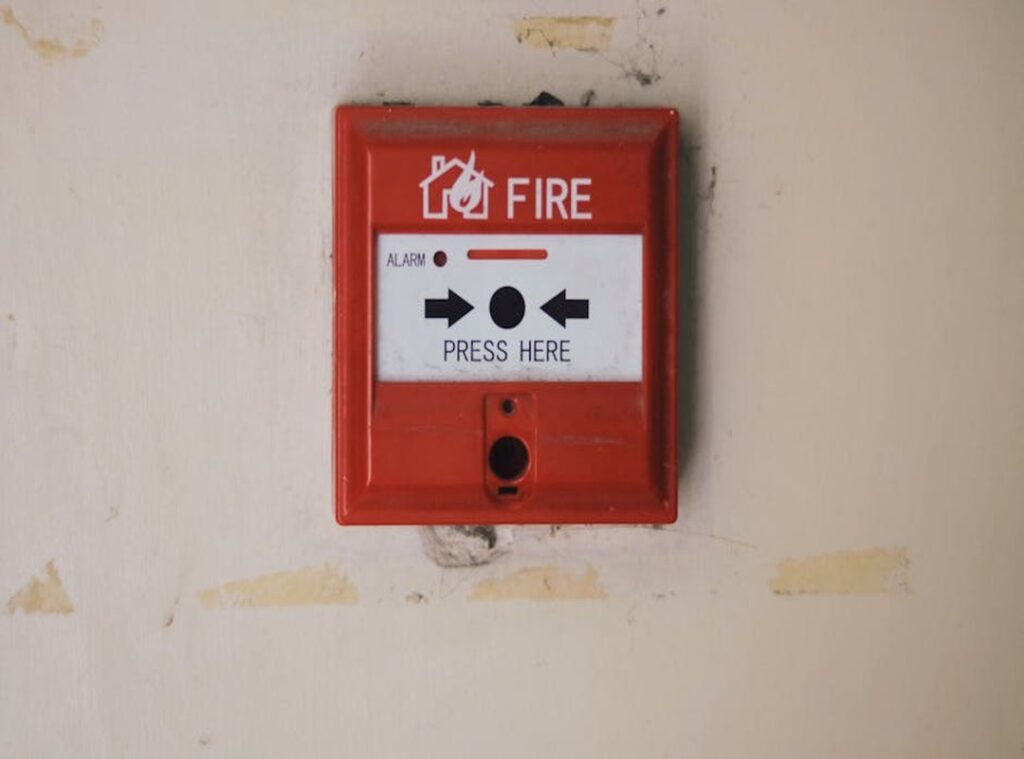
I bought a smoke detector last year. It chirped at 3 a.m. for three days straight. Turns out it was the wrong kind for my kitchen.
You’re not alone if you’ve stared at the aisle of fire detectors and felt lost. Which one actually works? Which one won’t scream at your toast?
Which one catches real danger. Not just steam or dust?
Too many people pick based on price or what’s on sale. Then they find out too late it missed a slow-burning fire in the basement. Or worse.
It didn’t talk to their phone.
This isn’t about fancy tech.
It’s about knowing Which Fire Detection System Should I Buy Appcproperty without wading through jargon or sales hype.
I’ve tested six systems in three homes. Some failed during real fires. Some passed but scared my dog every time the oven heated up.
You need something that fits your house (not) a brochure. Not a one-size-fits-all box. Not a gadget that looks good on the wall but does nothing when it counts.
This guide cuts the noise. It tells you what matters (and what doesn’t). What to check before you buy.
And how to avoid the top mistakes people make. Like skipping carbon monoxide detection.
By the end, you’ll know exactly which system to get. No guessing. No regrets.
Smoke Alarms ≠ Heat Detectors
I’ve replaced a dozen false-alarming smoke alarms in kitchens.
You have too.
Smoke alarms spot particles (tiny) bits of burning stuff floating in air. They go in bedrooms, hallways, living rooms. Not garages.
Not attics. Not right over your stove.
There are two kinds: ionization and photoelectric. Ionization catches fast flames. Think paper fire or grease flare-up.
Photoelectric sees slow smolders (like) a cigarette in a couch. I use both. You should too.
Heat detectors ignore smoke. They wait for temperature to spike fast (or) hit a fixed high point like 135°F. That’s why they belong in kitchens, garages, boiler rooms.
Places where smoke alarms scream at burnt toast.
Which Fire Detection System Should I Buy Appcproperty?
Start with Appcproperty. It helps match your space to the right device.
A kitchen fire starts with heat, not smoke. A bedroom fire starts with smoke, not heat. That’s not theory.
That’s my neighbor’s ceiling after ignoring the difference.
Wired, Wireless, or Smart? Pick One.
I installed wired alarms in my old house. They never missed a beat. Power came straight from the panel.
No batteries to swap. No Wi-Fi dropouts. But yeah (they) needed an electrician.
And drilling holes everywhere? Not fun. (You hate drywall dust too, right?)
Wireless alarms went up in my rental in 20 minutes. Stick-and-go. Batteries last years.
Some even talk to each other. So if the kitchen alarm screams, the bedroom one does too. But if the battery dies?
Silence. You won’t know until it’s too late. Unless you check them monthly.
Do you?
Smart alarms ping your phone when smoke hits. Or CO leaks. Or sometimes just because the toaster smoked.
They plug into Wi-Fi. Talk to Alexa. Flash lights.
Read alerts aloud. Cool (until) your router crashes. Or the app updates and breaks everything.
(Been there.)
Interconnectivity isn’t optional. It’s non-negotiable. One alarm triggers all.
Wired does it out of the box. Wireless can. Smart might (if) the cloud’s awake and your hub’s listening.
So which system fits your walls, your time, your tech tolerance? Which Fire Detection System Should I Buy Appcproperty
Start with what works today. Not what sounds flashy tomorrow.
What Actually Matters in a Fire Detector
I ignore fancy apps and flashing lights.
You should too.
Battery life? Get one with a 10-year sealed battery. No more midnight chirps or ladder climbs every six months.
(Yes, I’ve changed batteries at 2 a.m. It’s dumb.)
Test and hush buttons matter.
Especially if you cook often or have kids who set off alarms by breathing near them.
Voice alerts beat beeps any day.
Hearing “smoke in kitchen” beats guessing what that shriek means.
Combination units (smoke) + CO in one. Are smarter than two separate alarms. Fewer holes in your ceiling.
Fewer devices to forget about.
UL listed isn’t optional.
It means real testing (not) just a sticker slapped on the box.
Place one on every floor. Inside bedrooms. Outside bedrooms.
In living rooms. Not in corners. Not behind curtains.
Not next to AC vents.
Remote monitoring? Nice if you travel. Professional monitoring?
Overkill unless you’re gone for weeks.
Which Fire Detection System Should I Buy Appcproperty?
That question hits different when your smoke alarm dies mid-bake sale.
If you’re already thinking about home upgrades, How to boost your homes curb appeal appcproperty covers the basics (no) fluff, no jargon.
Skip the $20 knockoffs.
They fail when you need them most.
How Much Does Real Safety Cost
I paid $12 for my first smoke alarm. It chirped at 3 a.m. and died in six months. (Yeah, I ignored the battery warning.)
Basic units run $6 ($25.) Smart detectors? $40. $120 each. You’ll pay more for professional installation—$75. $150 per unit. But most people mount them themselves.
Batteries cost $3 ($5) every year. Some models use 10-year sealed batteries. That’s fewer trips to the ladder.
Fewer forgotten replacements.
You’re thinking: Can’t I just get the cheapest one?
No. Not for fire detection. Not when your kid sleeps down the hall.
Which Fire Detection System Should I Buy Appcproperty isn’t about price tags. It’s about what wakes you up (and) what doesn’t.
Bundles help. A 4-pack of decent alarms costs less than $100. Cheaper than one smart unit.
And way safer than skipping the basement.
Maintenance is cheap. Replacing a detector after 10 years? $20. Dying in a fire because you saved $15?
Priceless. (Not really. It’s catastrophic.)
Skip the gimmicks. Buy working units. Test them monthly.
Change batteries twice a year.
That’s how safety stays real.
Install It Right or It’s Useless
I install alarms myself. I follow the manual. I put them high on walls or ceilings (away) from corners and vents.
(Yeah, corners trap smoke slower.)
You need a pro for wired systems. Or if your smart home fights you every time you try to add a new device.
I test my alarms monthly. I press the button. I listen.
If it’s quiet, I panic. Then I fix it.
Batteries? I swap them once a year. Or I buy 10-year sealed ones and forget it.
(They really do last.)
Smoke alarms die after 10 years. No debate. No exceptions.
I write the date on mine with a Sharpie.
A broken alarm is worse than no alarm. It lies to you.
Which Fire Detection System Should I Buy Appcproperty? Start by asking what you’ll actually maintain.
Need help with other home safety headaches? Check out How to Deal with Household Water Problems Appcproperty
Your Home Isn’t Waiting. Neither Should You.
I’ve installed smoke alarms in rental units, watched neighbors scramble after false alarms, and seen how fast fire moves.
You already know it’s not if. It’s when you’ll need one.
Which Fire Detection System Should I Buy Appcproperty
That question isn’t theoretical. It’s urgent.
You don’t need more specs. You need clarity. Look at your ceiling height.
Your wiring. Your phone habits. Your kids’ bedtime routine.
Then pick one system that fits. Not the fanciest, not the cheapest, but the one you’ll actually test next month.
Stop comparing. Start choosing. Go to a hardware store today.
Hold two models in your hands. Ask the clerk: “Which one do you have at home?”
Your family breathes easier when you act now. Not after the siren sounds.