
More and more people want to live sustainably. But finding truly eco-friendly housing developments is a real challenge. You might be wondering: how do you spot genuine green homes amid all the greenwashing?
I’ve spent years analyzing housing trends and property investment strategies. I know what to look for. In this article, I’ll show you how to identify and evaluate sustainable housing trends without falling for superficial marketing claims.
I’ve seen the market evolve, and I’m here to share takeaways that help you make informed decisions. You deserve to know what makes a home genuinely green.
By the end, you’ll understand the key features of legitimate eco-friendly developments. You’ll be equipped with the knowledge to get through this complex space confidently. Let’s cut through the noise and get to the facts.
Your sustainable future starts now.
Building Green: Eco-Friendly Housing Explained
When we talk about eco-friendly housing developments, we’re not just talking about slapping solar panels on a roof. It’s a whole way of thinking. It’s about creating spaces that respect both the planet and the people living on it.
These developments take a complete approach, focusing on environmental, social, and economic sustainability.
Picture this: a neighborhood where you can walk or bike everywhere. Forget about cars dominating the streets. We’re weaving in walkability and bike paths, making car dependency a thing of the past.
It’s like living in a small town, but with a modern twist.
What sets these housing communities apart from your typical green home is master planning. Everything’s designed to work together. Shared infrastructure and community design are key.
It’s not just about individual homes but a connected living mix (sounds fancy, right?).
It’s front and center.
Think about sustainable housing trends. These trends guide us to reduce our ecological footprint and manage resources efficiently. Community well-being isn’t an afterthought.
The goal? A balanced life that’s healthy for both us and the Earth. Does it sound dreamy?
It should, because that’s the future of housing.
Sustainable Living: Core Technologies and Trends
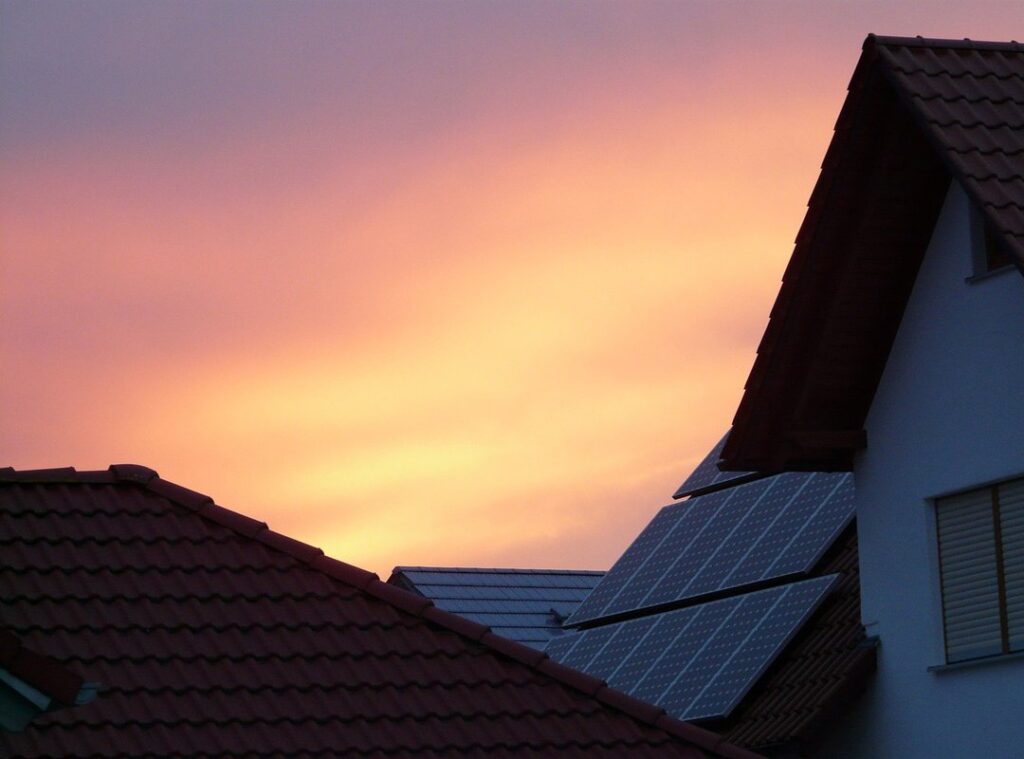
When it comes to sustainable housing trends, energy efficiency is at the forefront. Solar panels are a game changer. Whether they’re on rooftops or set up for the whole community, they slash utility bills and environmental impact.
Smart home systems? They’re the brains behind energy efficiency, optimizing usage without you lifting a finger.
Water conservation is another biggie. We can’t ignore strategies like rainwater harvesting and greywater recycling. They’re not just buzzwords.
These methods save tons of water and money. Low-flow fixtures and drought-resistant landscaping are must-haves, too. Every drop counts, right?
Sustainable materials make a world of difference. Think locally sourced and recycled items like bamboo or reclaimed wood. They’re durable but also cut down on carbon footprints.
Why import when you can use what’s at your doorstep?
Waste management should be more than just recycling. On-site composting and reducing construction waste are key. A full approach is necessary if we’re serious about sustainability.
Let’s talk green infrastructure. Permeable pavements and bioswales handle natural drainage like pros. Community gardens?
They don’t just look good (they) feed communities and preserve natural habitats. Picture this: A neighborhood where urban farming plots are the norm.
Sustainable transportation is more than just a trend. It’s a necessity. From electric vehicle charging stations to dedicated bike paths, communities must prioritize eco-friendly transit.
Public transport proximity and car-sharing options make it easier to choose between urban vs rural preferences.
In sustainable communities, every feature counts.
Living Green: Real Perks of Eco-Friendly Developments
Living in an eco-friendly development isn’t just for the tree-huggers. It’s a smart choice. When I moved into one, my utility bills dropped a lot.
Who doesn’t love saving money? Lower energy and water costs are a real perk. Plus, some of us can snag local or federal tax incentives.
But it’s not all about cash. There’s the improved health aspect too. Better indoor air quality, more natural light, and access to green spaces make life healthier.
I’ve noticed fewer allergy woes since living here. We can breathe easy, literally. And let’s not forget the quiet.
Reduced noise pollution is a blessing. It’s peace in a chaotic world.
Then there’s the feel-good factor. Knowing our carbon footprint is reduced and nature is thriving? That’s priceless.
These developments protect natural resources and support local biodiversity. It’s like living in a nature documentary.
And have you seen how property values hold? The shared values and resilient infrastructure create a strong sense of community. People love that.
For more on these sustainable housing trends, check out this in-depth look.
Lastly, future-proofing. These homes stand strong against environmental changes. They offer long-term sustainability, which is reassuring.
They’re built to last. Just like our commitment to the planet.
Navigating the Market: Find and Evaluate Sustainable Options
Searching for sustainable housing isn’t just a trend; it’s a necessity. So, where do you start? Jump into those online real estate platforms with “green features” filters.

Can’t find what you want? Consider looking at dedicated green real estate sites. Check out local government sustainability initiatives too.
They often have resources you never knew you needed.
Now, let’s talk to developers. You have to ask the right questions. I’m talking about certifications, energy performance data, and water usage strategies.
What about their community engagement plans? Don’t forget the long-term maintenance of those green features. Trust me, you’ll thank yourself later.
When visiting properties, keep your eyes peeled. Notice the quality of green spaces, the materials used, and how waste is managed. Are community amenities environmentally friendly?
These details matter.
It’s key to do your due diligence. Dive into Homeowners Association documents for any sustainability guidelines. Ask about average utility costs.
Assess if local infrastructure supports your green goals. No one wants a surprise later.
Consider consulting a real estate expert who knows eco-friendly properties. Their market knowledge can be useful. They might see opportunities you don’t.
Navigating sustainable housing trends can seem overwhelming, but it doesn’t have to be. With the right tools and questions, you’ll find options that fit your needs. If I’ve learned anything, it’s this: preparation and the right questions are half the battle in finding a dream home that’s also kind to our planet.
Green Building: Certifications and Standards
Third-party certifications are key for verifying environmental claims. They make sure that what you’re told matches reality. Take LEED (Leadership in Energy and Environmental Design).
They might suit you better.
It covers everything from location to indoor air quality. Then there’s ENERGY STAR, which focuses on making your home energy-fast. But don’t forget about local programs.
Understanding certification levels like Silver, Gold, and Platinum can be tricky. They reveal a project’s commitment to sustainability (and let’s face it, who doesn’t want to claim that?). Not having a certification doesn’t mean a building isn’t green, but you’ll need to do your homework.
Check spotting emerging housing patterns to explore sustainable housing trends.
Your Path to Greener Living
You now have a solid grasp of eco-friendly housing developments. You understand the challenge of making informed decisions in this complex real estate market. The takeaways I shared are key for navigating these waters and identifying genuinely sustainable options.
So what’s next? Start applying this knowledge in your property search. Explore local listings that focus on sustainable housing trends.
Consult with real estate professionals who specialize in green homes.
Don’t let confusion hold you back. Take charge of your journey toward sustainable living today. Your future self will thank you for it.
 Tarynith Glintfield is the Senior Real Estate Market Analyst at