I built my own house. It was messy. It was expensive.
It was worth every second.
You’re reading this because you want a home you designed. Not one you settled for.
But right now, you’re probably staring at blank permits, confusing contracts, and a dozen contractors who all sound confident (and none of them agree).
That’s why I wrote the Home Building Guide Appchousehold.
Not another vague blog post full of “tips” that don’t apply to your lot, your budget, or your city’s zoning rules. This is what I wish someone had handed me before I signed my first contract. No fluff.
No jargon. Just steps (real) ones. With names, timelines, and red flags to watch for.
You’ll learn how to pick a builder who won’t ghost you mid-framing. How to read a change order without panic. When to walk away from a design idea (even if you love it).
This isn’t theory. It’s what worked (and) what blew up (in) my build. And it’s what’s helped others skip months of stress.
By the end, you’ll know exactly what happens next.
Not just in general (but) for you.
Stop Daydreaming. Start Building.
I opened the Home Building Guide Appchousehold on day one. Not after six spreadsheets. Not after three meetings with contractors.
On day one.
What do you actually want? Not what looks good online. What fits your life right now.
Two bedrooms or four? One bathroom or three? I picked three.
Because I’m tired of waiting for the shower.
Do you need space to breathe? Or just space to store your junk? I needed both.
A yard big enough for a dog. A kitchen where people don’t bump elbows. You’ll know when it feels right.
Budgets lie. Mine did. I added 15% up front.
Not as padding, but as truth insurance. Contractors don’t warn you about rain delays. Or surprise soil tests.
Or the time your electrician quits mid-job.
Timeline? Don’t guess. Ask builders how long their last five homes took.
Not their brochure promise. Their real-world mess.
Land first or house first? I found land before I sketched a floor plan. Saved me from building a mansion in a flood zone (yes, that happened to my neighbor).
Financing? Construction loans aren’t mortgages. They’re loans that disburse in stages.
Miss a stage? You stall. I read the fine print twice.
You’re not building a dream. You’re building a place to live. Make it honest.
Make it yours.
Who Actually Shows Up on Your Build Site
I hired a builder who ghosted me for three days after the foundation pour.
You don’t want that.
Find a reputable builder (not) just one with a shiny website. Ask for references. Visit two of their finished homes.
Talk to the owners. Ask if the builder showed up when they said they would. (Spoiler: most don’t.)
An architect or designer? Skip them only if your house is a 1200-square-foot box with no windows facing north. They translate your “I want light” into actual dimensions and code-compliant drawings.
And yes. Your city will reject plans without one.
Need land? Hire a real estate agent who knows zoning laws, not just listings. Some lots look perfect until you learn they’re in a floodplain or have bedrock six inches down.
Subcontractors aren’t magic. Plumbers, electricians, roofers (your) general contractor hires them, but you should meet them. Ask who’s doing your HVAC.
If the GC shrugs, walk away.
Contracts must be in writing. No exceptions. Costs.
Timelines. Change order process. All of it.
If it’s not written down, it doesn’t exist.
This is why I keep the Home Building Guide Appchousehold open on my phone during every meeting.
It reminds me what questions to ask. Before I sign anything.
Blueprint, Permits, and Dirt Work
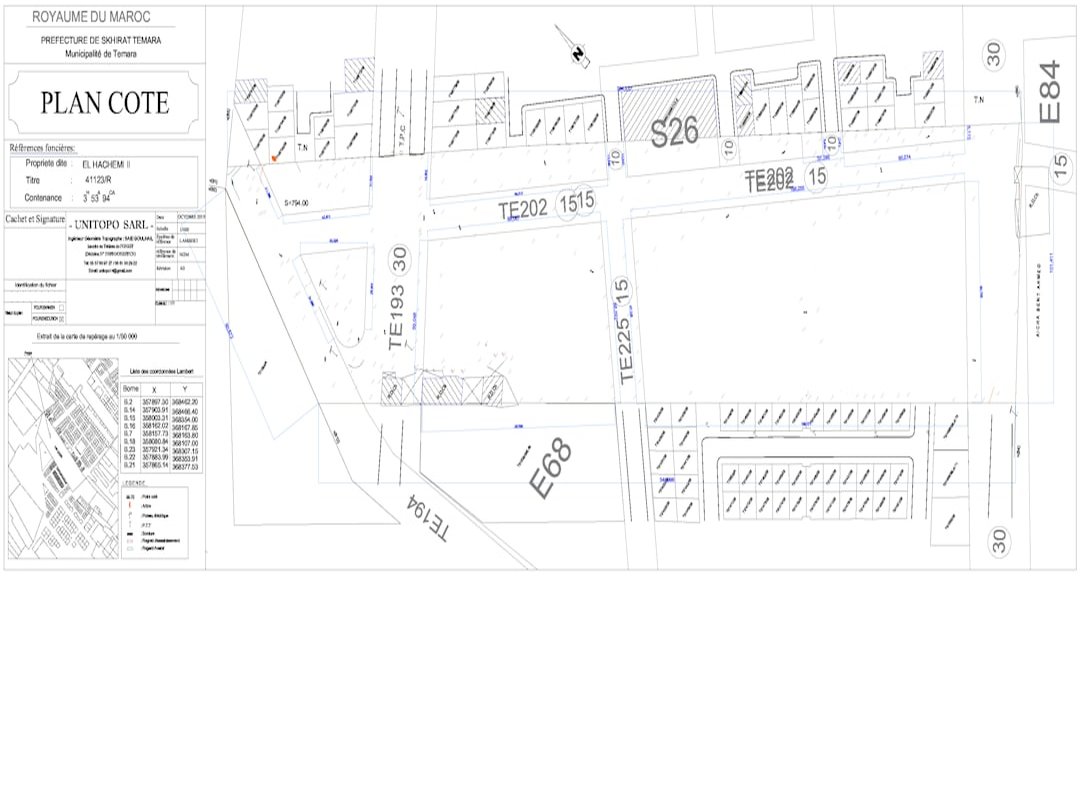
I draw my floor plan on paper first. Then I hand it to the architect and say what stays and what goes.
You will stare at those blueprints for hours. Check every window. Every outlet.
Every closet door swing. Miss one thing and you’ll live with it.
Permits? Your builder files them. But you need to know why they exist.
Local rules stop your roof from collapsing. Or your garage from flooding. (Yes, that happened to my neighbor.)
Site prep is messy. Trees come down. Dirt moves.
Grading must slope away from the foundation (or) your basement becomes a pond.
Pick finishes early. Flooring. Cabinets.
Countertops. Paint. Exterior siding.
If you wait until framing is up, you’ll stall the whole job.
I picked quartz too late. Waited three weeks for delivery. Felt stupid.
The Garage shed guide appchousehold covers similar prep (but) for smaller builds. Same logic applies: measure twice, pour once.
You think paint color is small? Try living with “oatmeal beige” for ten years.
Drainage ditches matter more than crown molding.
Your contractor knows codes. You know how you live. Split the work.
No one else cares if the laundry room has enough outlets. You do.
That’s why you read the plans. Not just glance.
This is your house. Not theirs.
What You Actually Get From Each Phase
I watch homes get built. Not from a brochure. From mud, lumber, and sweat.
Foundation work means your house won’t sink. It’s concrete. It’s level.
It’s non-negotiable.
Framing is where your floor plan stops being lines on paper. Walls go up. Rooms get real.
You walk through empty spaces and suddenly feel the layout.
Rough-ins happen behind the walls. Wires, pipes, ducts. Hidden but key.
Miss one outlet now? You’ll pay for it later.
Exterior work locks out rain and wind. Roof. Siding.
Windows. Doors. A house isn’t weather-tight until this is done.
Insulation and drywall? That’s when it starts holding heat. And quiet.
Drywall isn’t pretty yet, but it’s the canvas for everything after.
Interior finishes are what you touch every day. Floors you walk on. Paint you see in morning light.
Cabinets you open for coffee.
You don’t need to know every code. But you do need to show up. Ask questions.
Walk the site. Spot things before they’re buried.
This isn’t passive. It’s your home. Your call.
Want to know if adding a garage shed makes sense before framing starts? Is a Garage Shed Worth It Appchousehold
The Home Building Guide Appchousehold helps you ask the right questions (before) the first nail goes in.
Done Building? Now Live In It
I stood in my new kitchen the day after closing. Felt weird. Like I hadn’t earned it yet.
You’ll feel that too. Even after the walkthrough. Even after the punch list is done.
That warranty? It’s not paperwork. It’s your backup plan when the dishwasher leaks or the thermostat glitches.
Read it. Highlight the dates. Save the number.
Move-in day isn’t the finish line. It’s the first real breath in your own space. Stop overthinking the “perfect” setup.
Hang one picture. Cook one meal. Sleep in your bed.
You built this home because you wanted control. Because you were tired of compromises. Home Building Guide Appchousehold gives you the straight facts (no) fluff, no jargon, just what you need to protect your investment and start living.
Your pain point wasn’t building. It was waiting to live. So stop waiting.
Open the app. Tap into the guide. Start today.